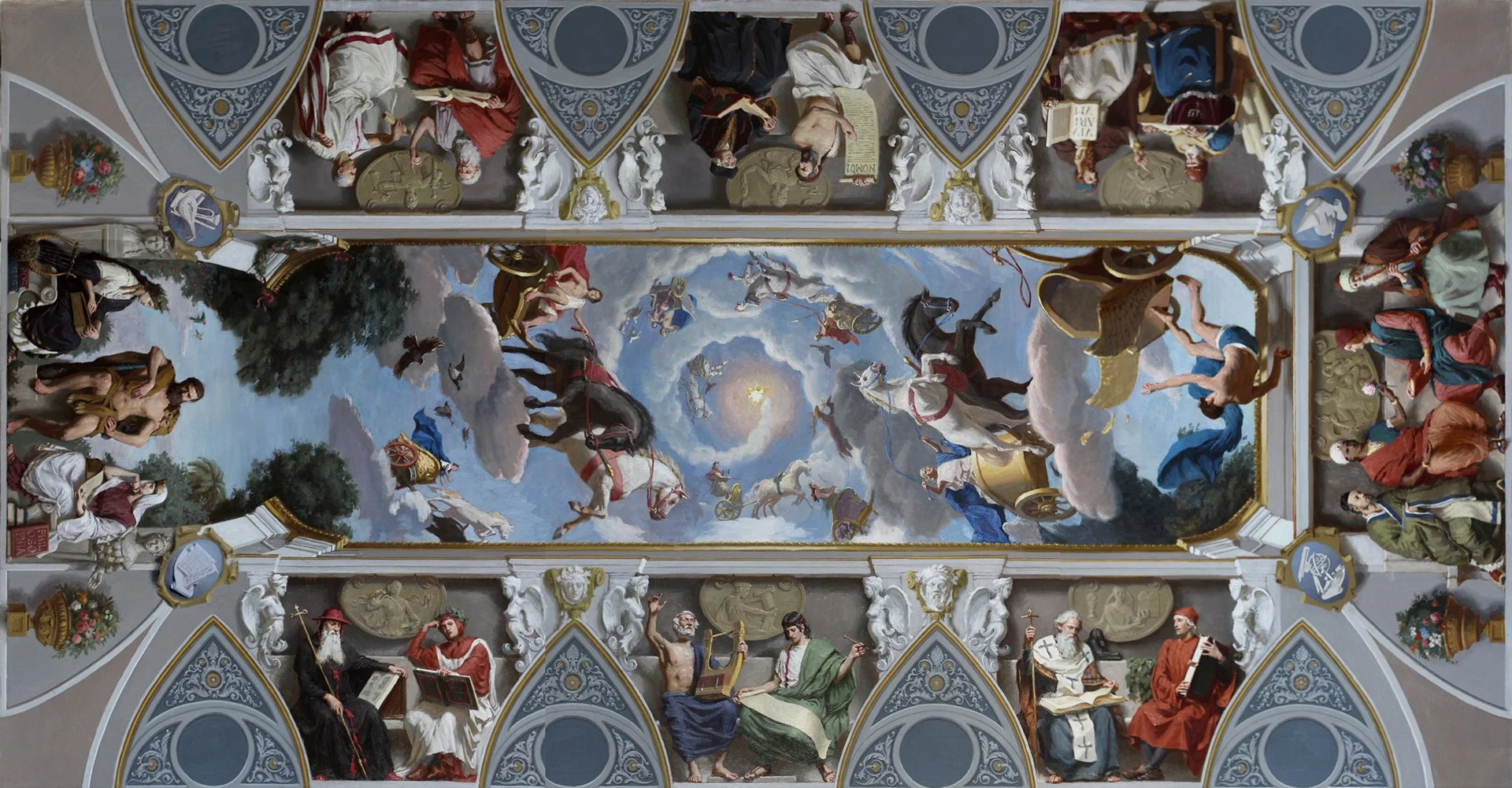
In 2021, I assisted lead artist Leonid Ilyukhin in the design and development of the Europa Hall at Villa Falconieri in Frascati (Rome).
My role included visual research, 3D modeling for pre-visualization, refinement of concept sketches, and the preparation of technical drawings for construction.
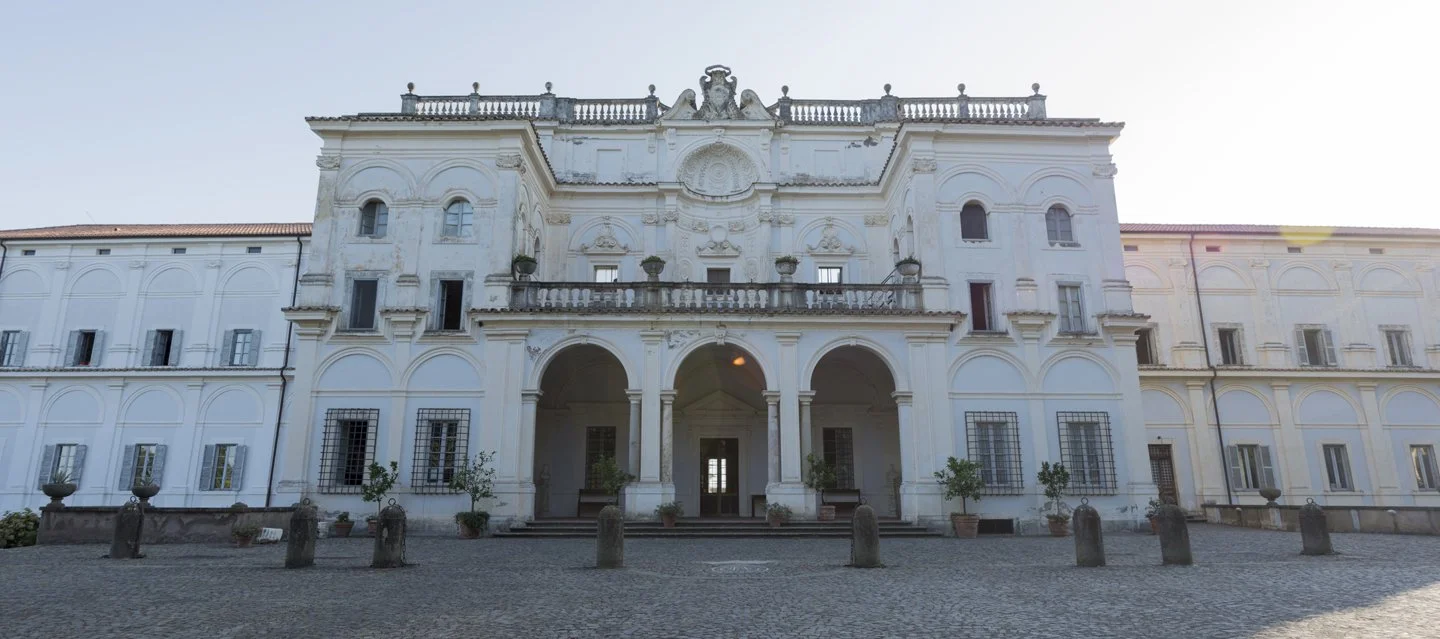
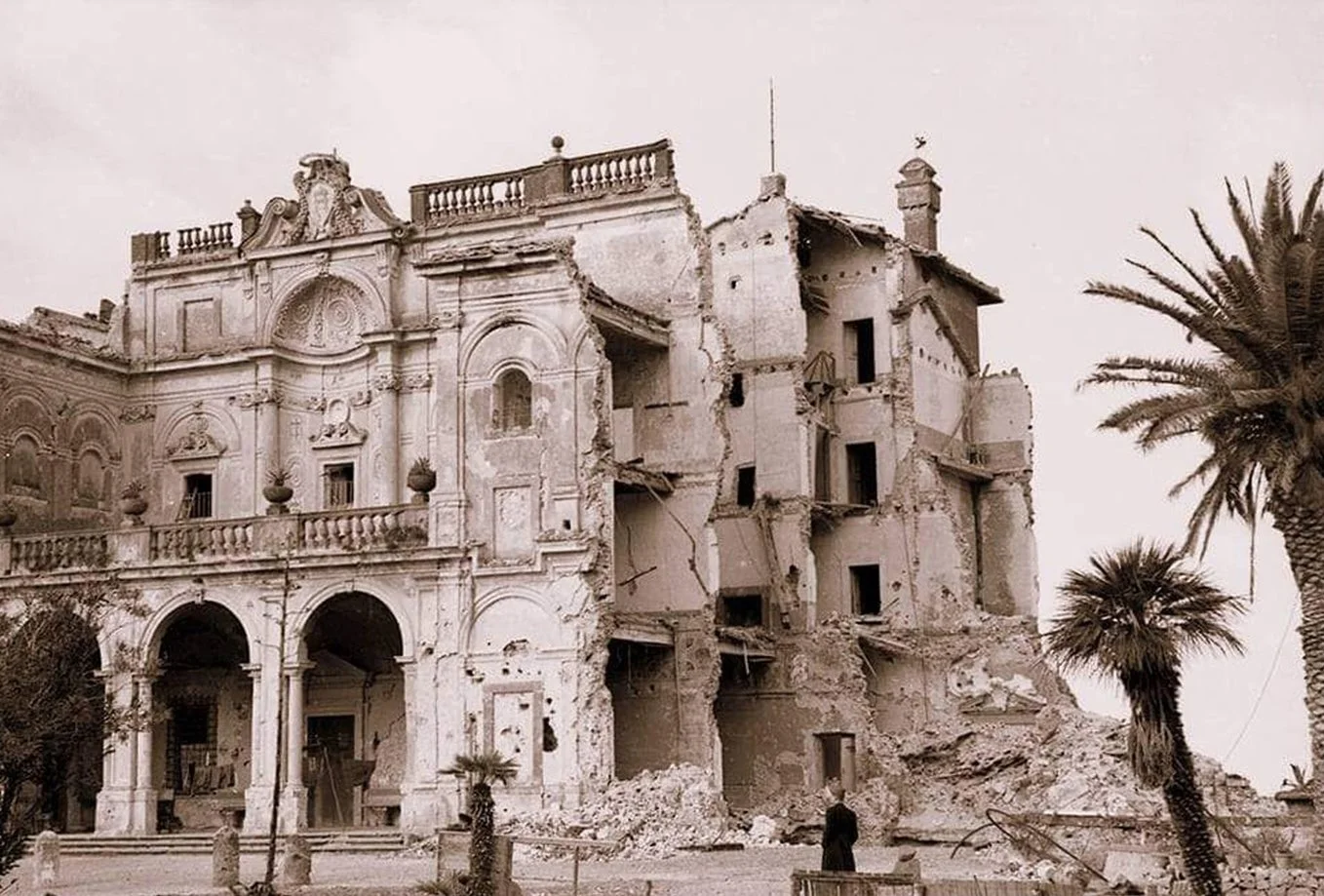
Villa Falconieri was commissioned by Pope Paul III in 1546 and later rebuilt by Borromini in 1628 for Orazio Falconieri.
The villa has served many purposes and it is now home to the Accademia Vivarium Novum, an international study centre inspired by the teaching methodologies of Renaissance schools, where students from all over the world are provided with a solid preparation in the humanities, arts and sciences.
During World War II, while serving as the headquarters of Field Marshal Albert Kesselring, half of Villa Falconieri was destroyed by bombing; it was later restored in the postwar period through careful reconstruction efforts, with the contribution of architect Paolo Portoghesi, who helped return the villa to its former architectural splendor.
The restoration matched the original aspect only on the outside so the Accademia initiated a project to restore and decorate the interiors in an authentic historical style.
The Europa Hall was planned to become a library dedicated to writer and historian Elémire Zolla (1926–2002). His library was donated to Accademia Vivarium Novum by his widow Mrs. Grazia Marchianò, who also supervised the project.
Accademia Vivarium Novum appointed artist Leonid Ilyukhin to design the new Europa Hall, working alongside architect Damiano Minozzi of ACAM Studio, who contributed technical guidance and expertise across the project.
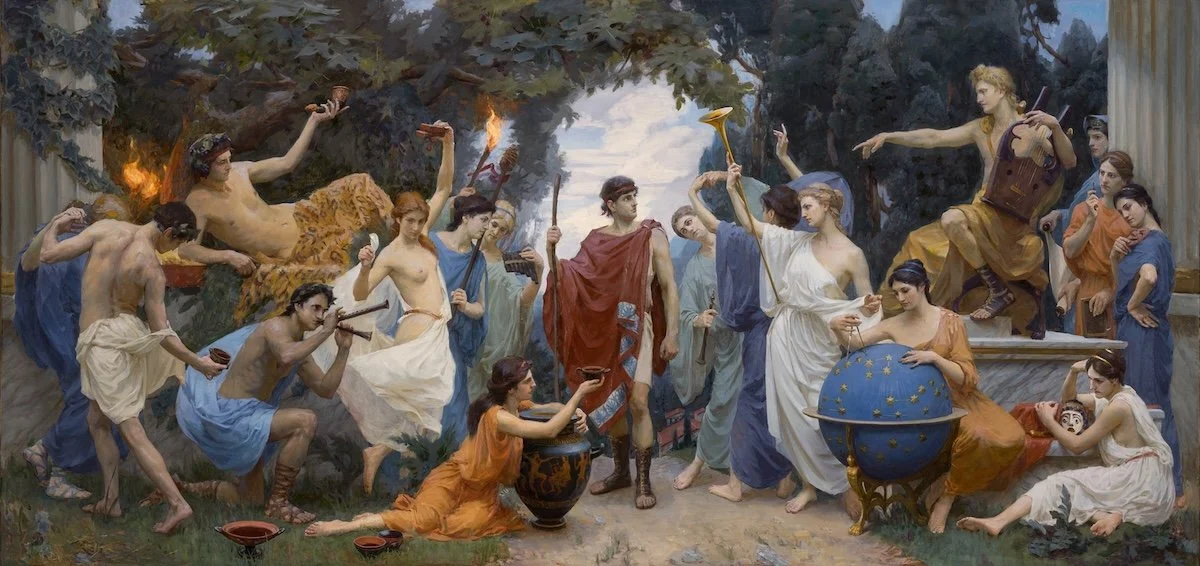
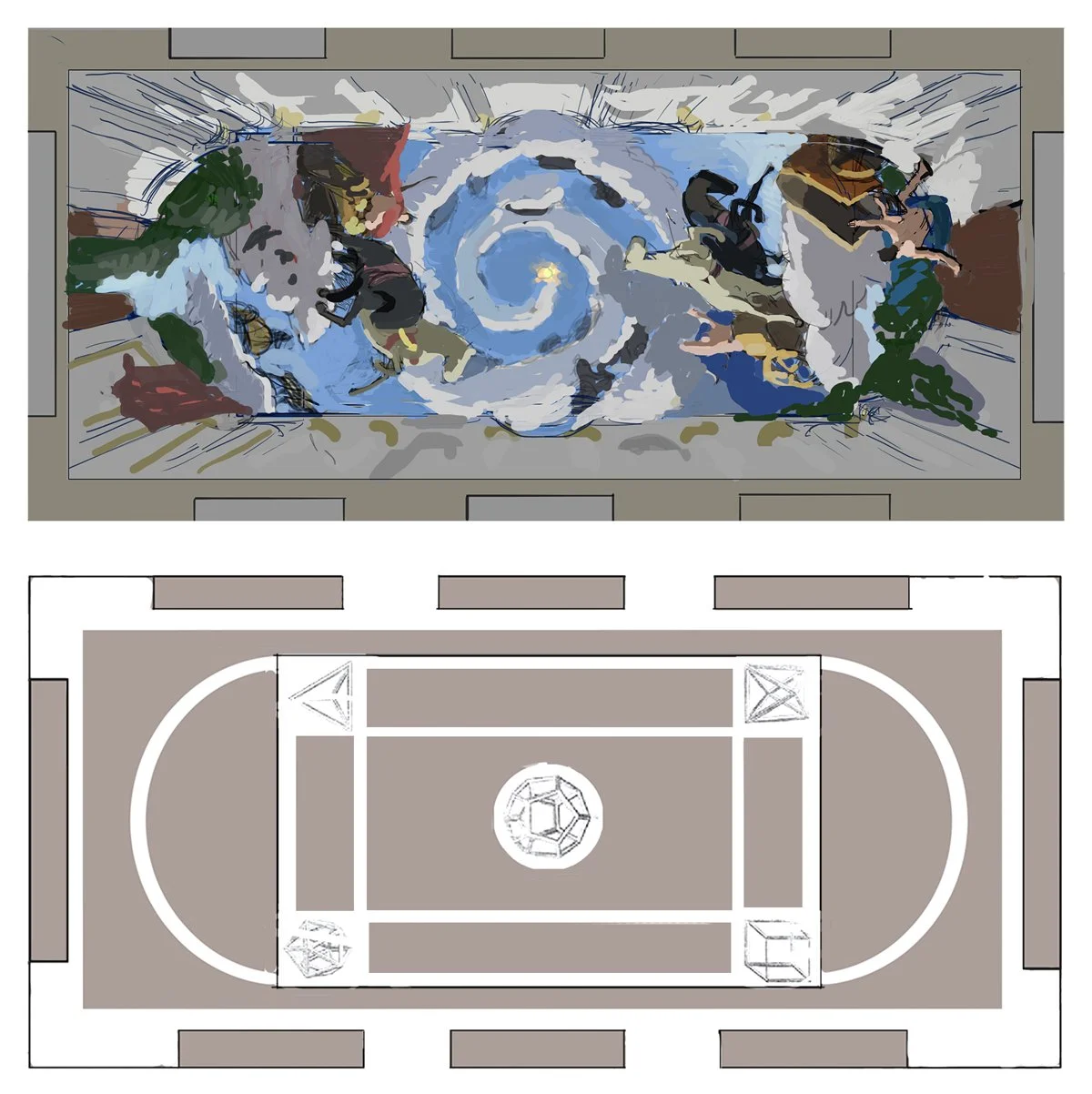
Preliminary sketches for the ceiling painting and ornate floor by Leonid Ilyukhin, establishing the decorative program of the hall, including the ceiling composition—illustrating Plato’s Chariot Allegory from the Phaedrus—and the geometric design of the marble and cotto floor, depicting the Platonic solids.
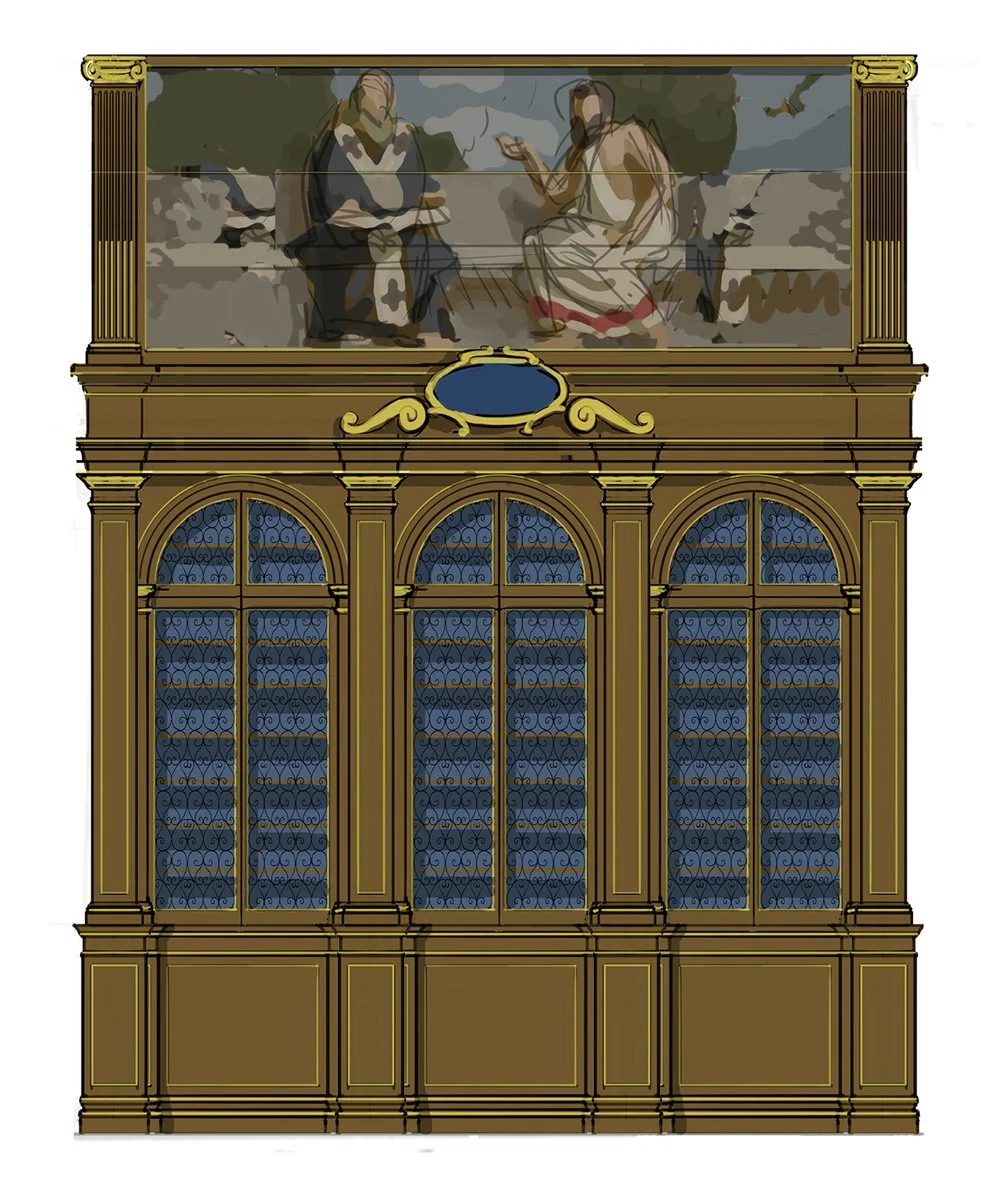
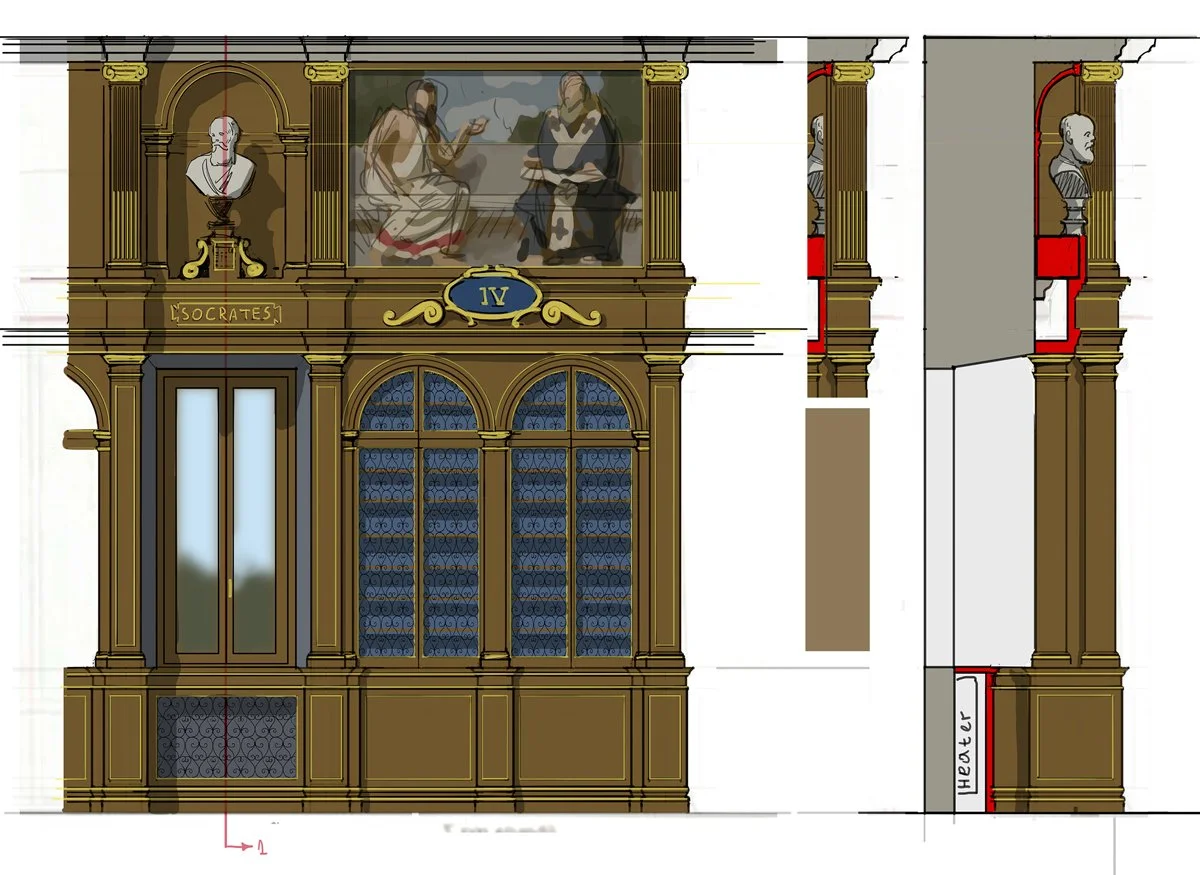
Preliminary sketch for the library by Leonid Ilyukhin, defining the rhythm of the bookcases and their integration with the architectural space; this initial version extends the wooden structure up to the roof, creating space for paintings and busts of philosophers.
Short side of the hall.
Preliminary sketch for the library by Leonid Ilyukhin.
Window section.
When I joined the project, I was assigned to work on the bookcases and floor, in order to allow the lead artist to devote more time and focus to the most complex and demanding aspect of the work: the painted ceiling. This was the first design I developed based on Leonid Ilyukhin’s sketch, refining proportions and testing the repetition of ornamental elements, while striving to remain as faithful as possible to the initial vision provided by the lead artist.
Short side of the hall.
Long side of the hall.
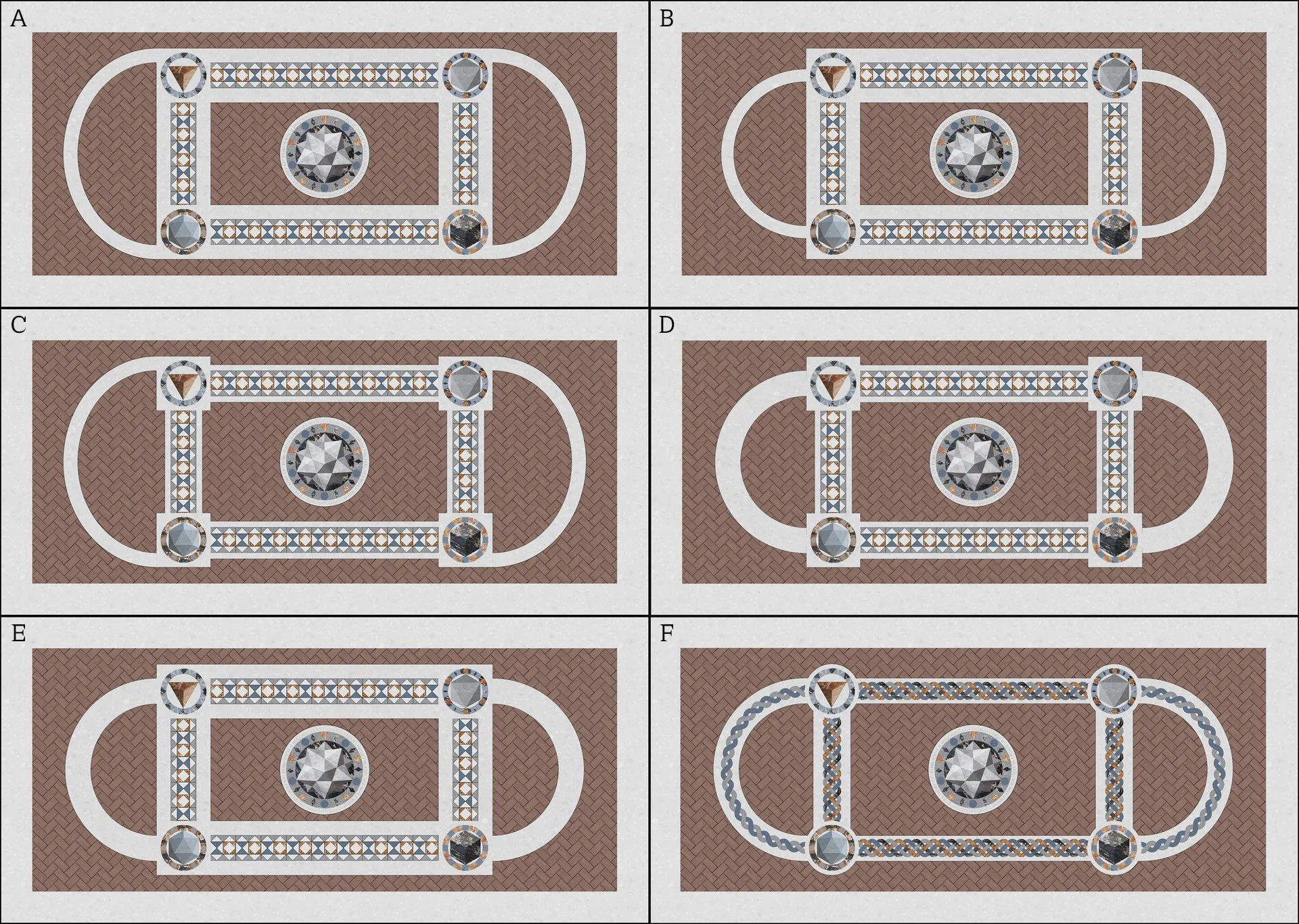
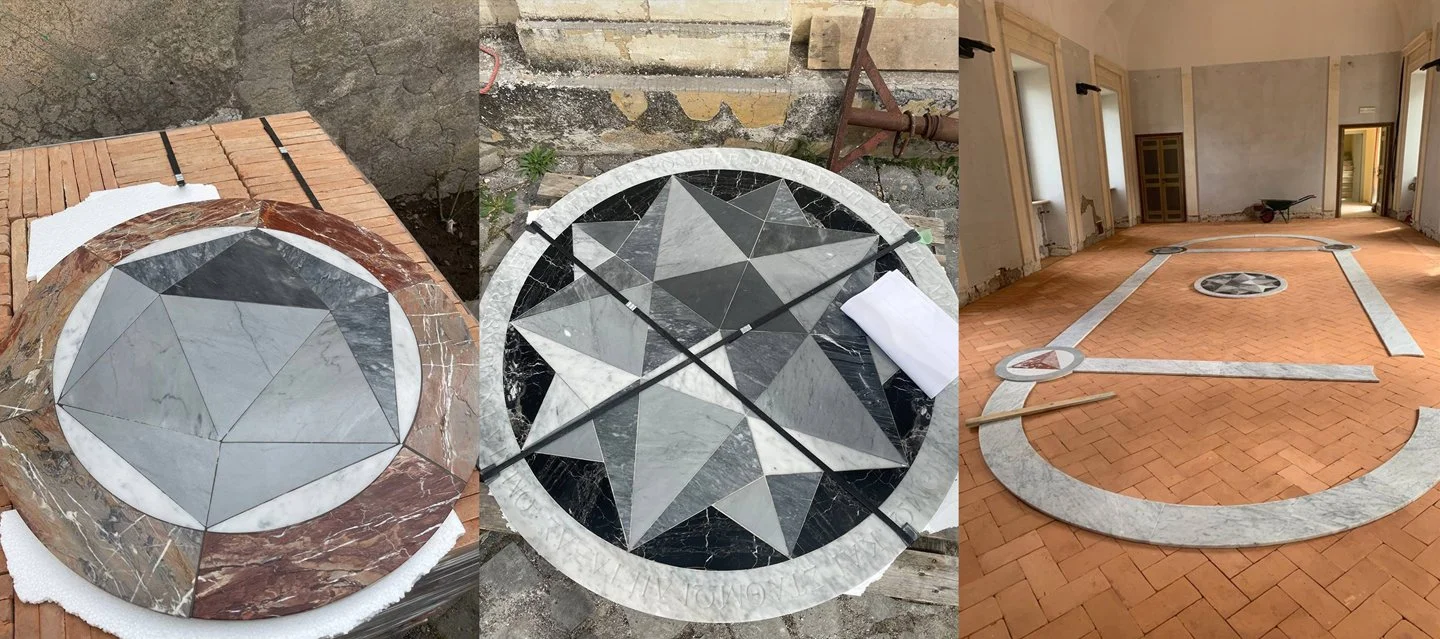
Floor design variations I developed based on Leonid Ilyukhin’s preliminary sketch, exploring different configurations for the marble and cotto floor inspired by Platonic solids and ornamental patterns. In this process, Pier Luigi Rocca, founder of Pulchria, provided valuable guidance in directing the floor design, contributing his expertise on the subject and helping to refine its overall coherence and execution.
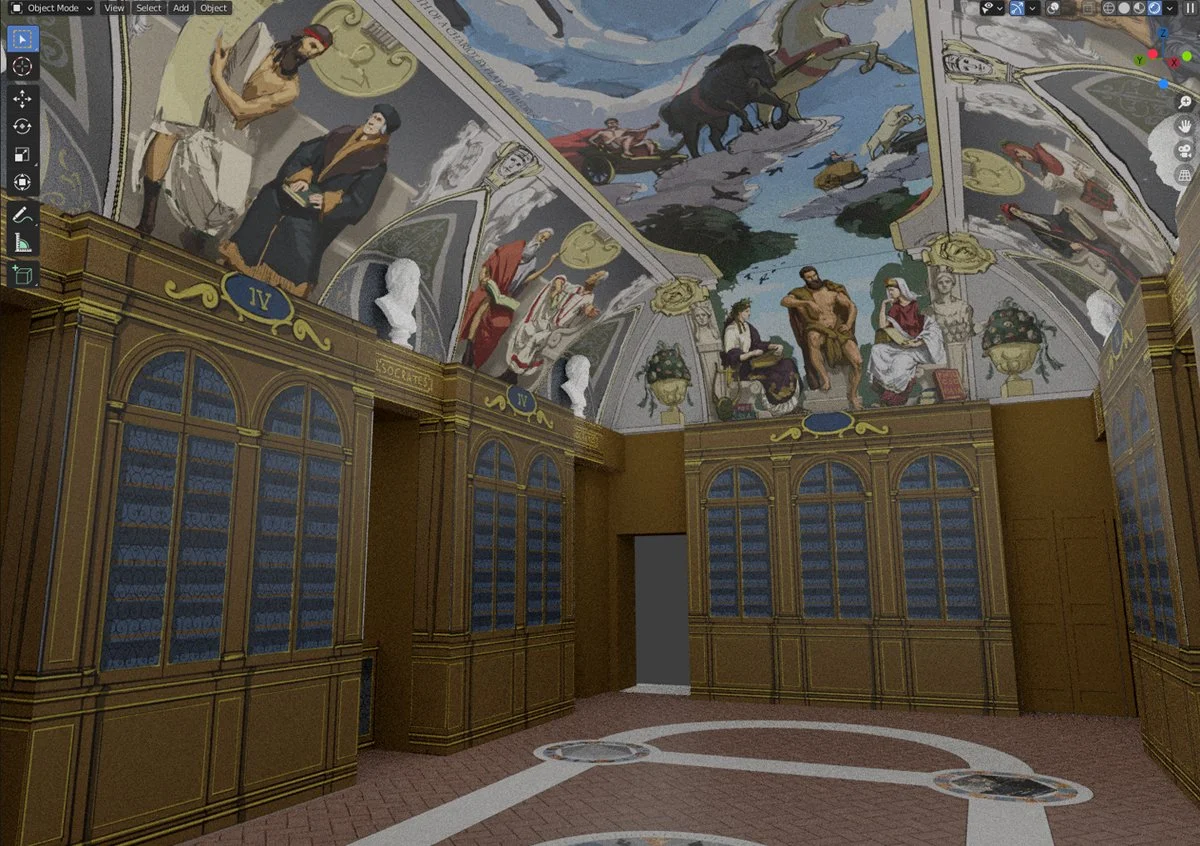
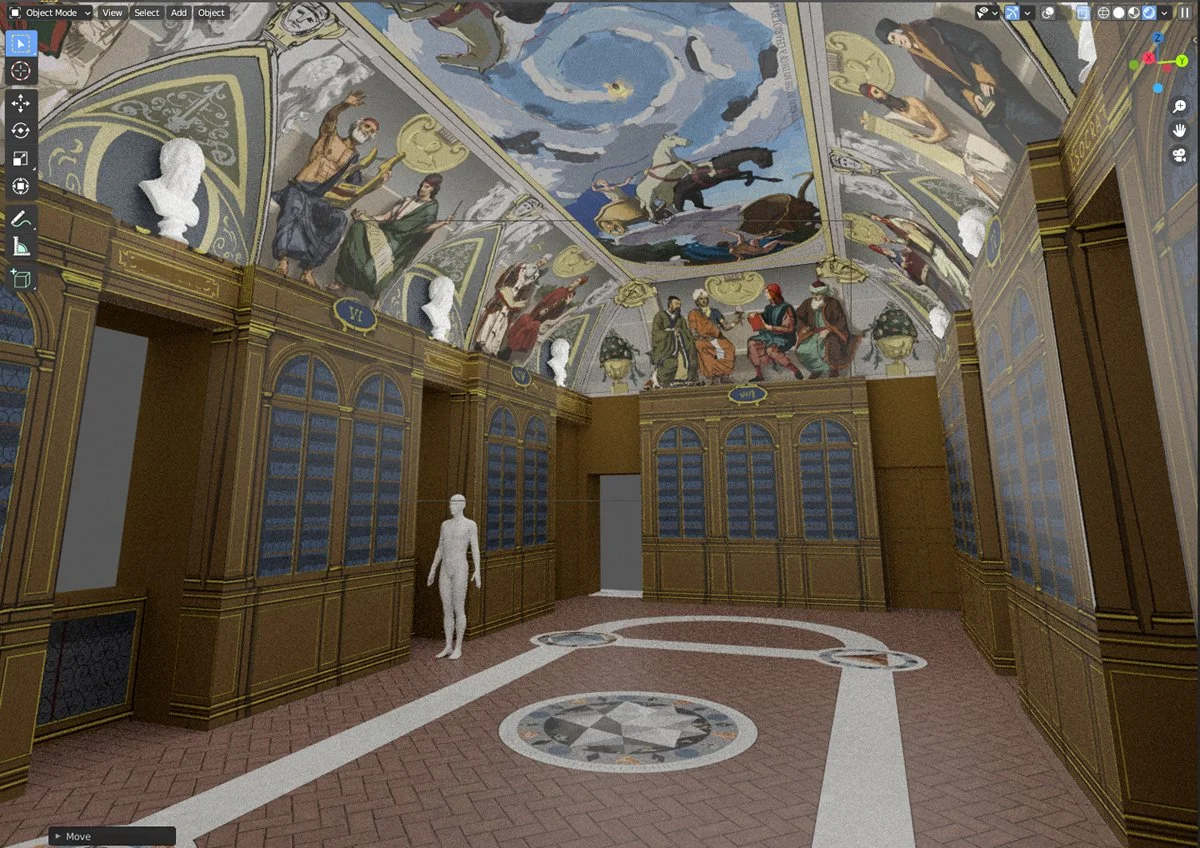
3D mockup to test the designs. We created a simplified digital model to evaluate proportions and spatial perception; due to challenges of the painting’s perspective, the design evolved into a vaulted ceiling starting above the bookcases.
The other side of the hall.
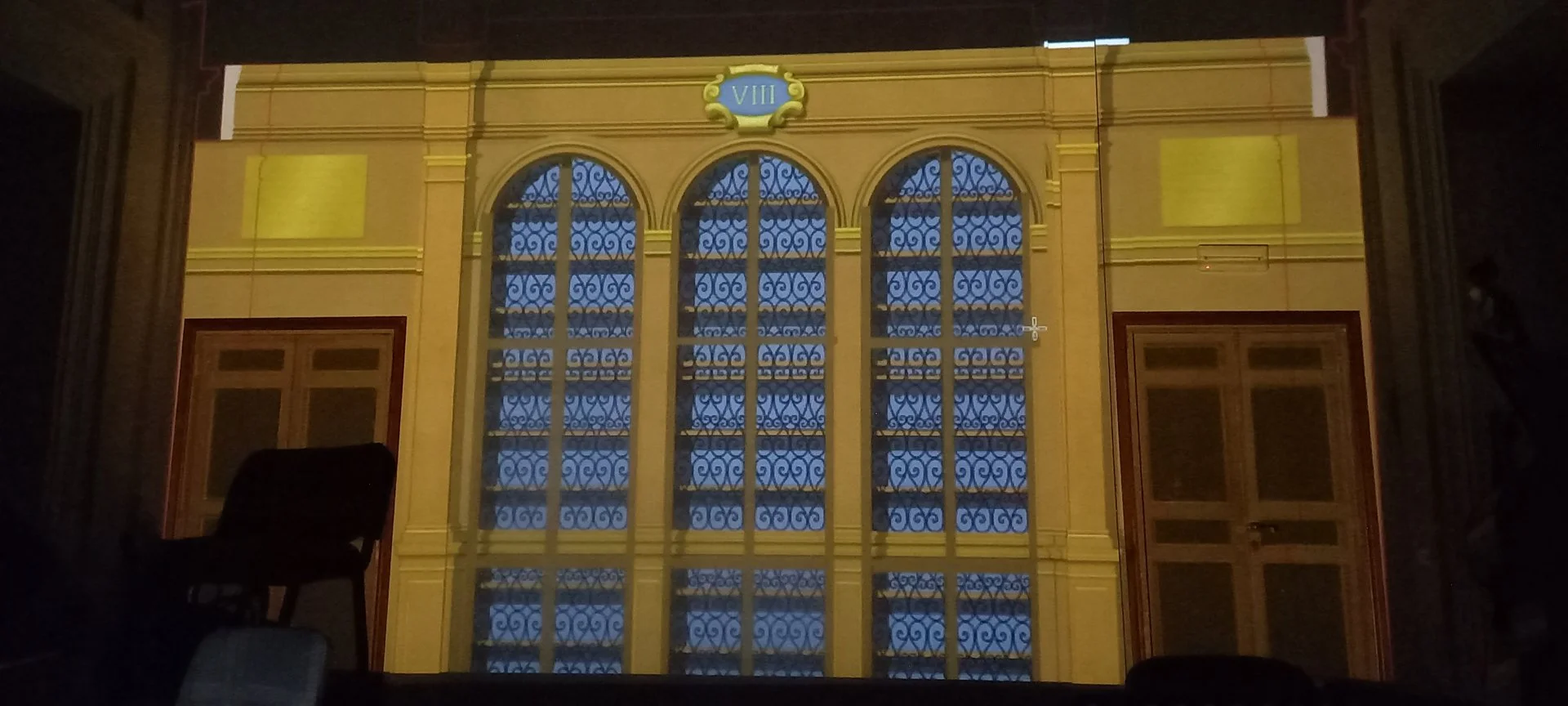
The library design was projected onto the actual walls of the hall to assess scale and proportions in situ, allowing for precise adjustments.
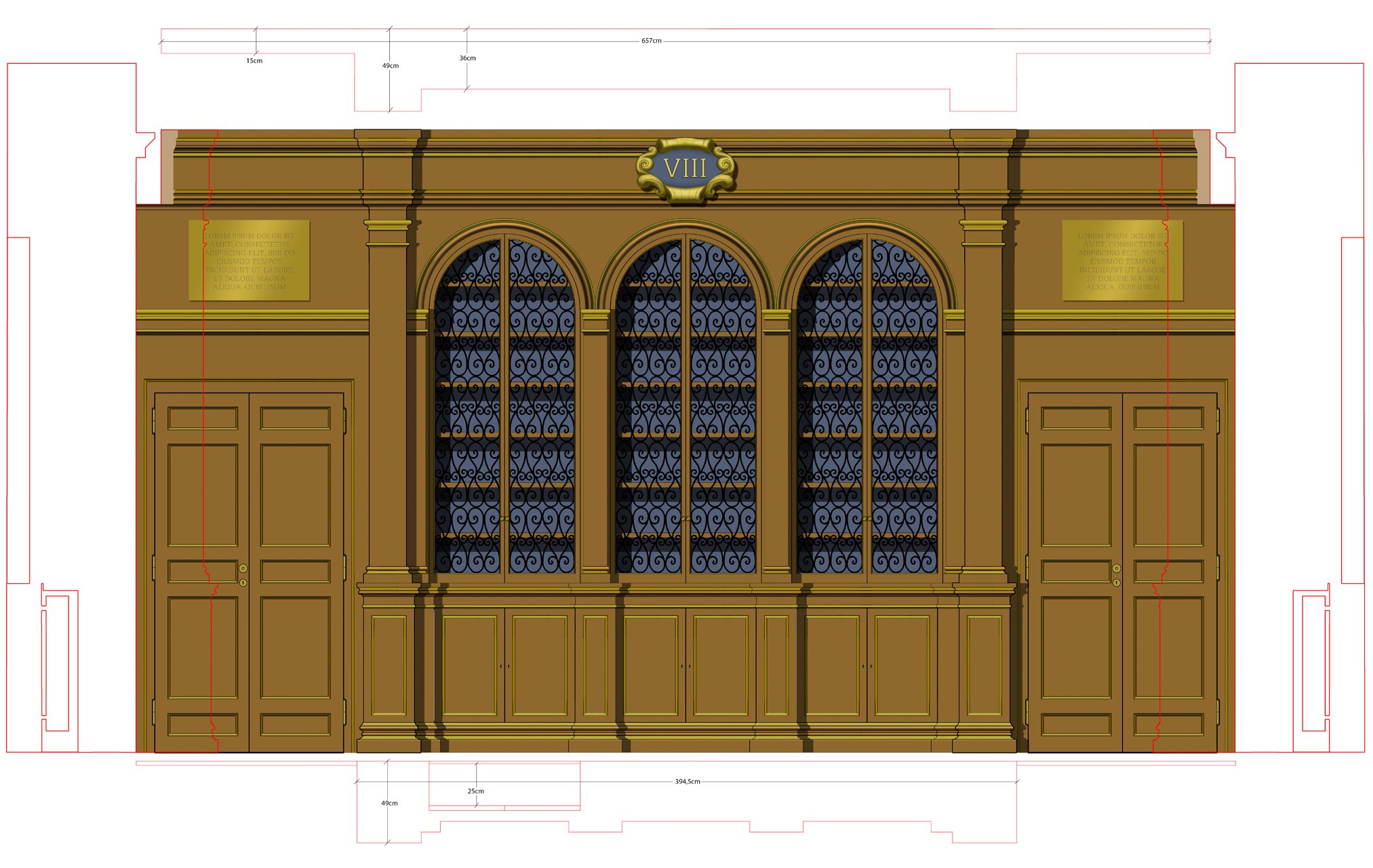
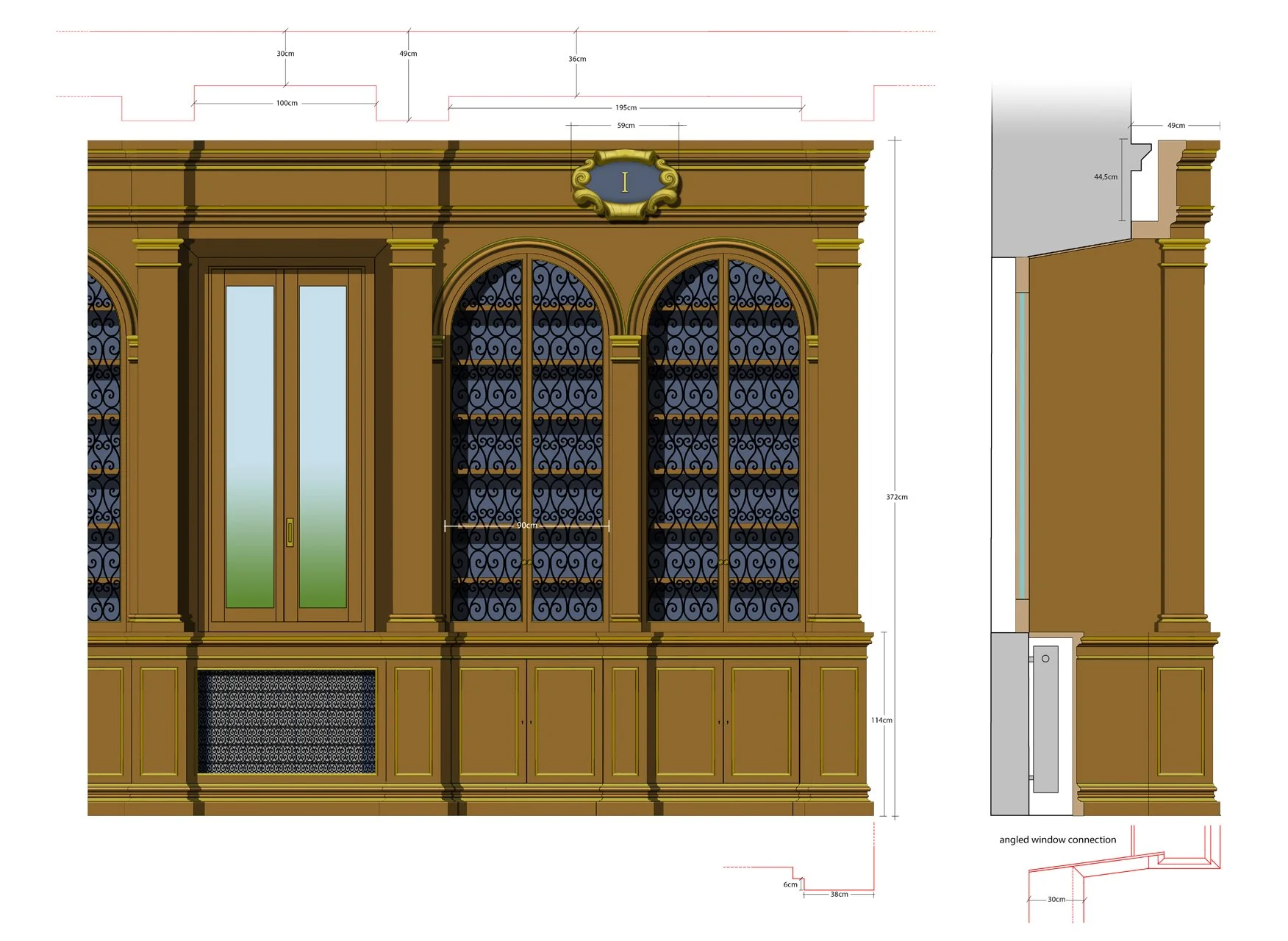
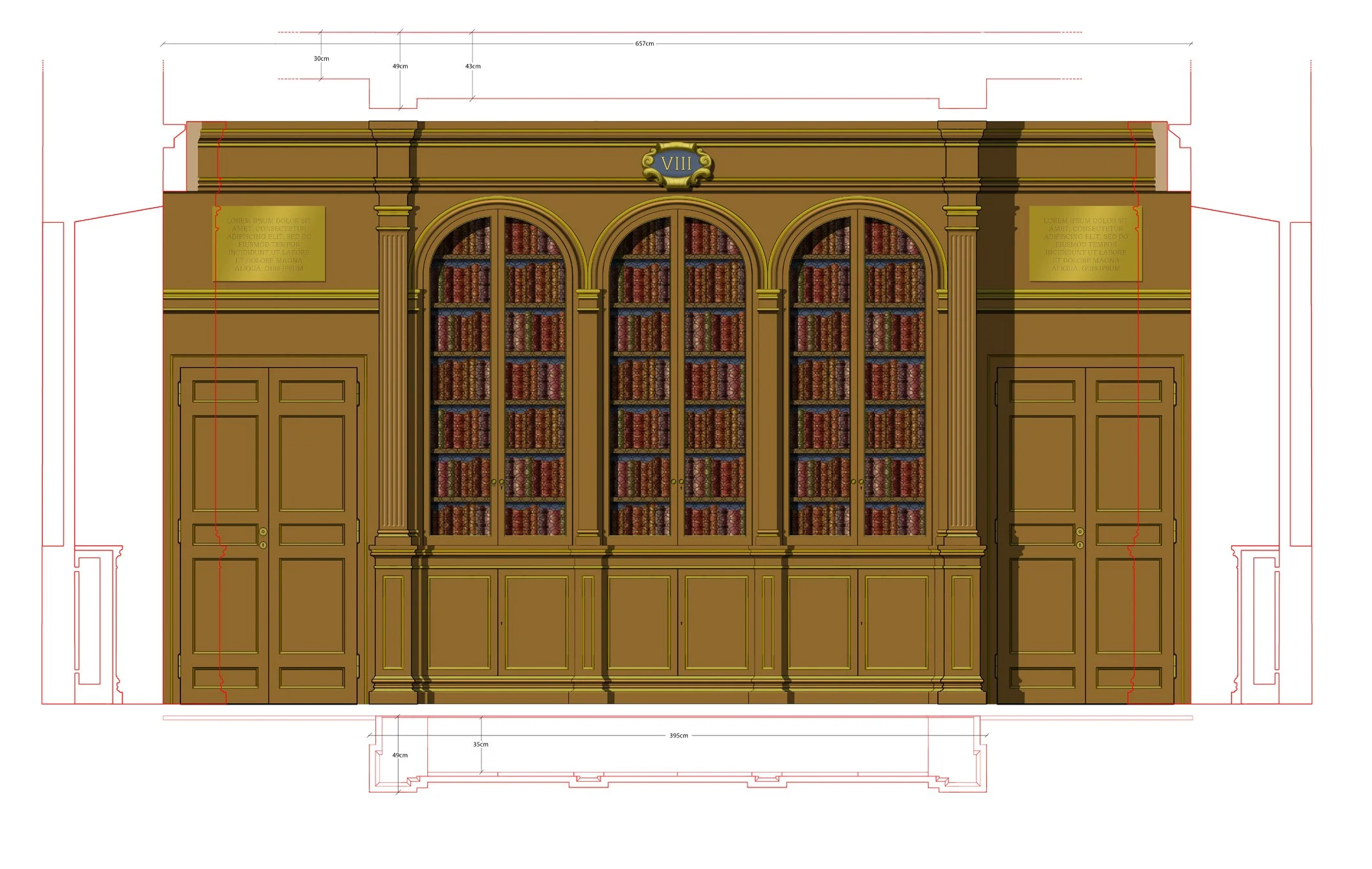
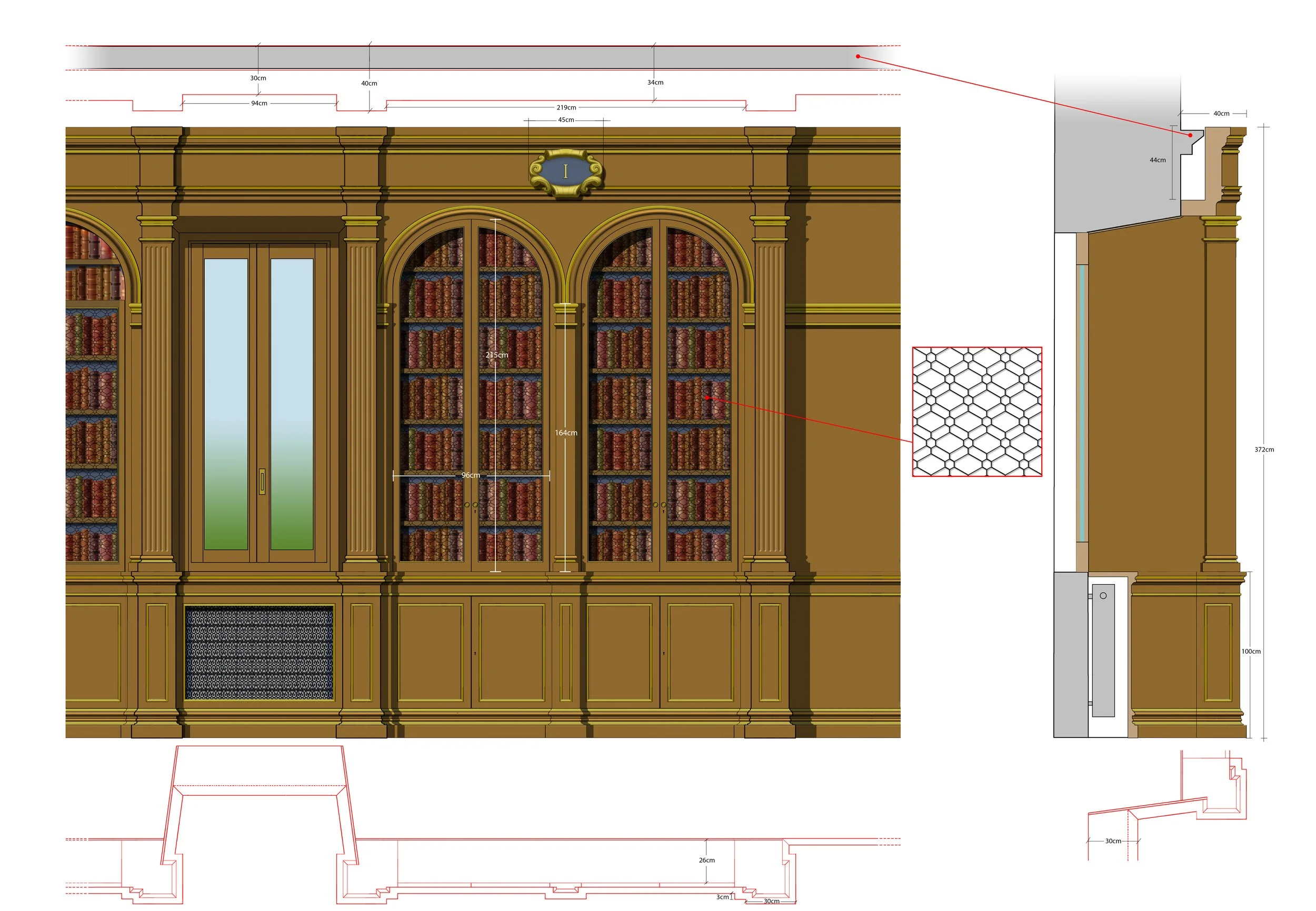
This was the final library design I produced. It was entrusted to ETdM Design, who implemented the necessary adjustments to ensure its proper realization, and were responsible for the fabrication and installation of the bookcases.
Short side of the hall.
Long side of the hall.
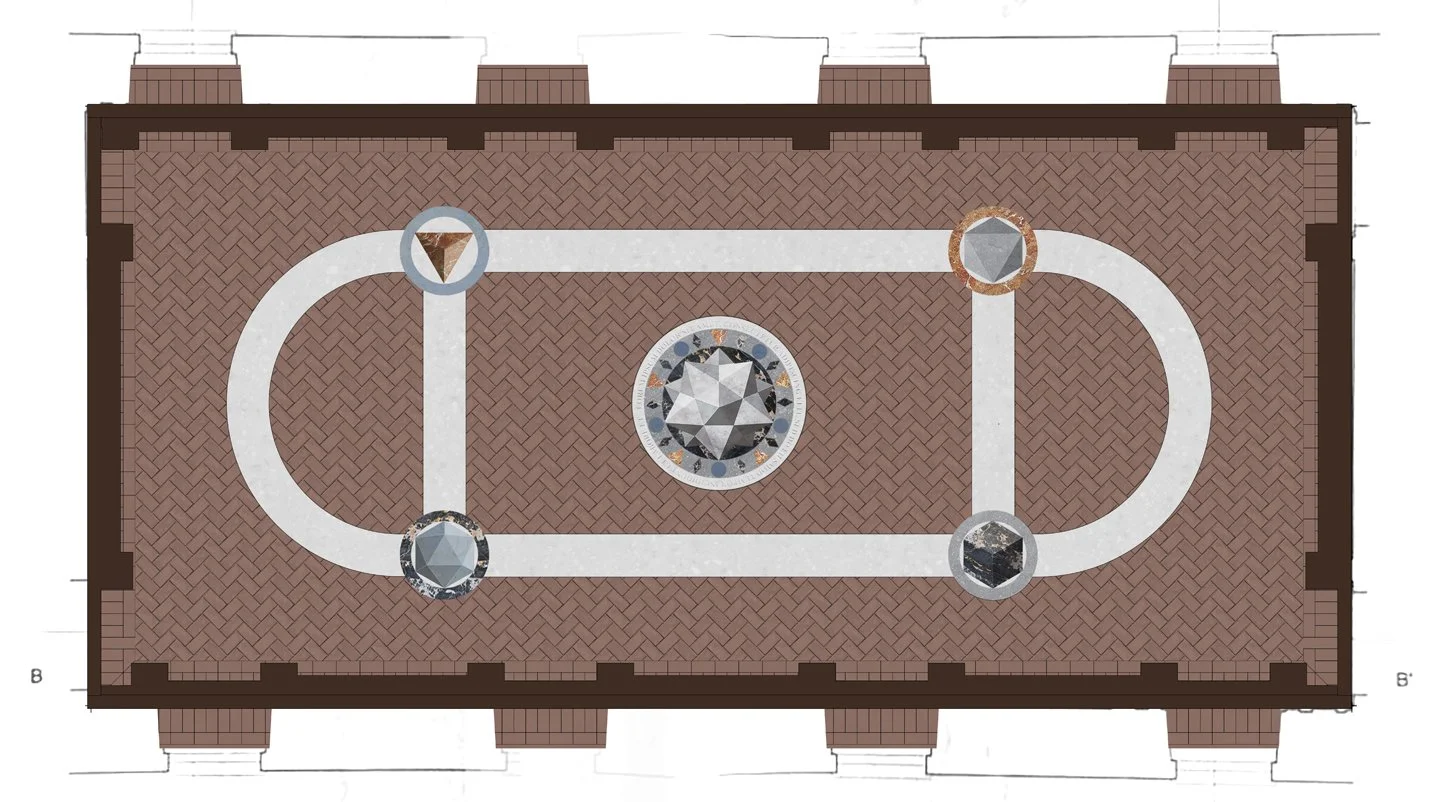
The final floor design I made. Leonid Ilyukhin printed the ornaments in different sizes to test them in the hall to determine the final proportions.
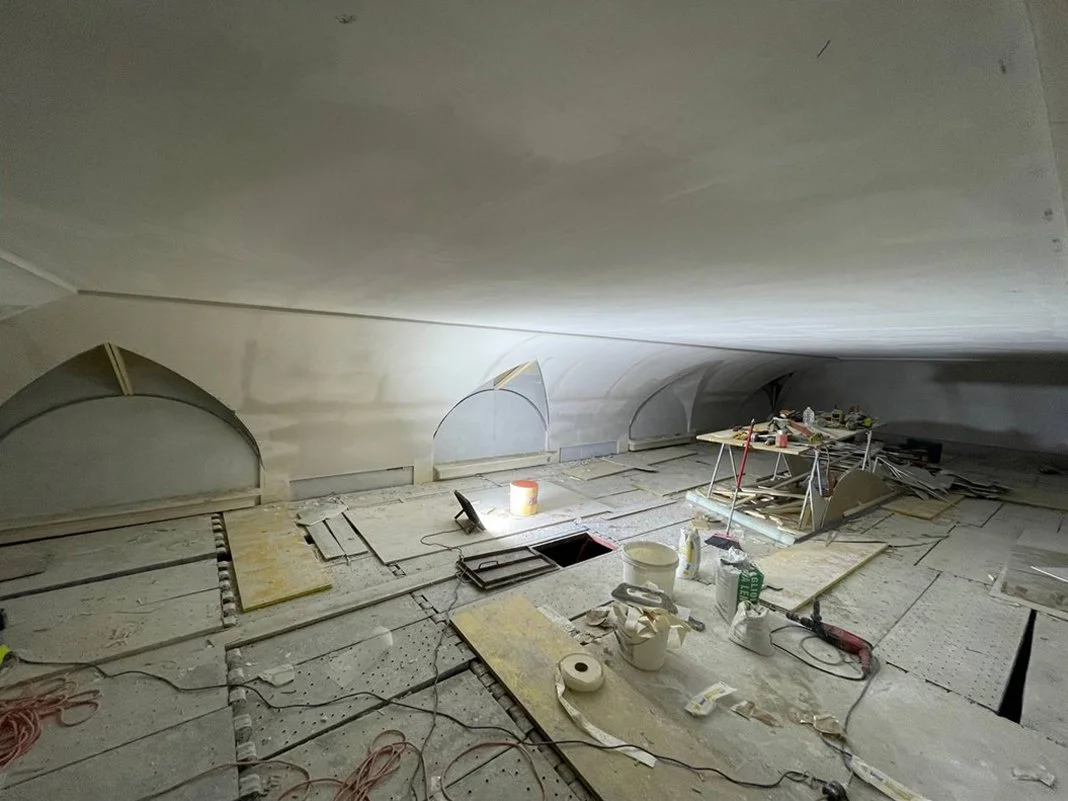
Installation of a lightweight false vault structure, enabling the realization of the decorative ceiling within technical constraints.
Execution and installation of the floor by Pulchria, translating the approved design into multi-colored marble and cotto.
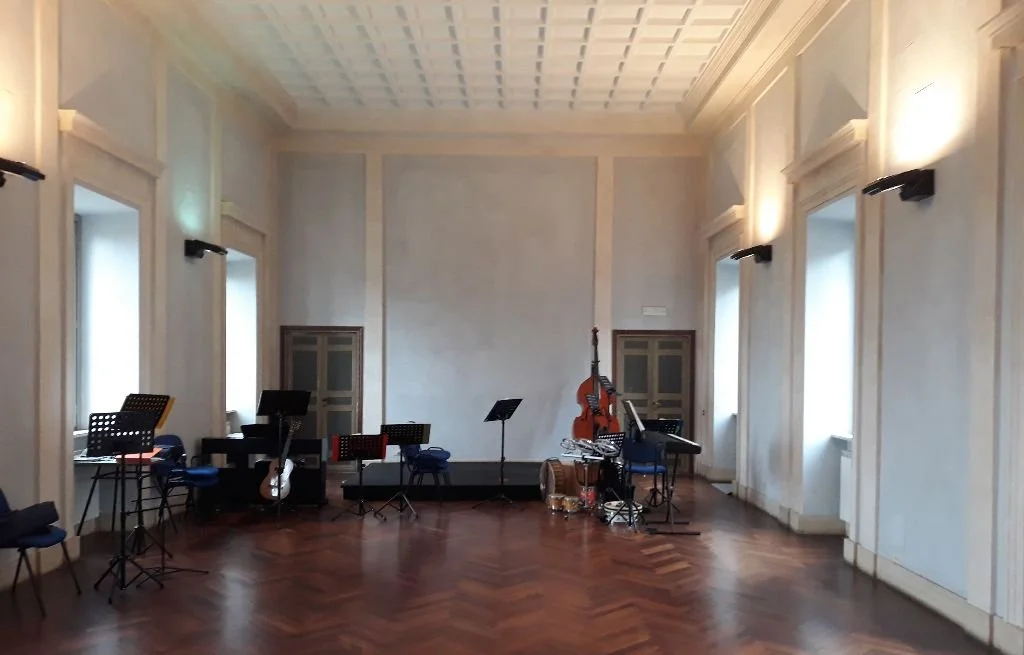
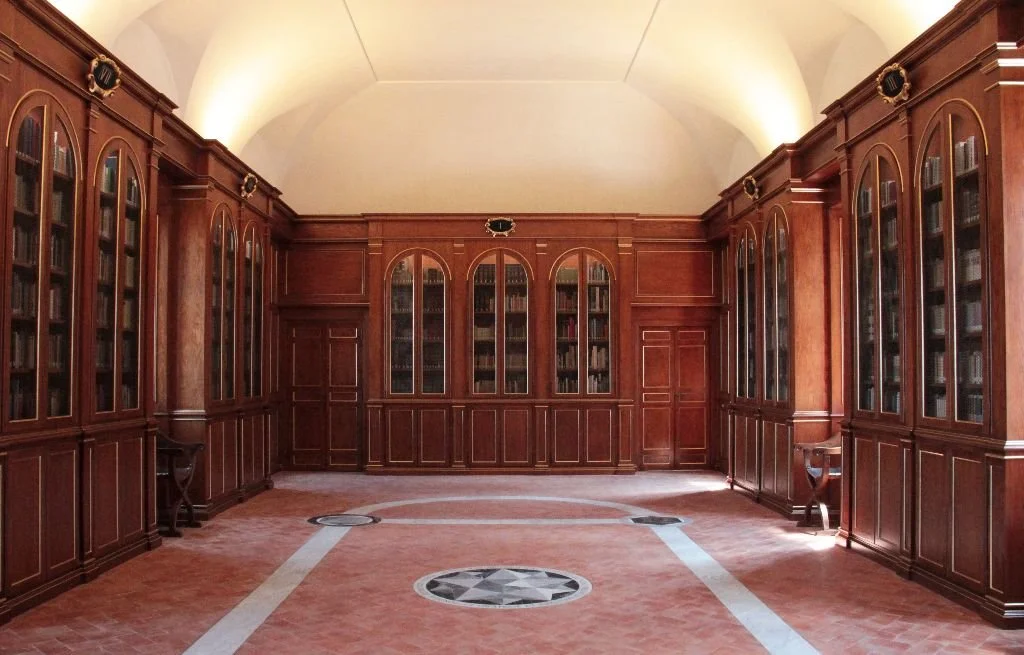
The vaulted ceiling, floor and bookcases completed. The final outcome reflects a true collective effort, where design vision and technical execution came together seamlessly through strong teamwork and shared attention to detail.
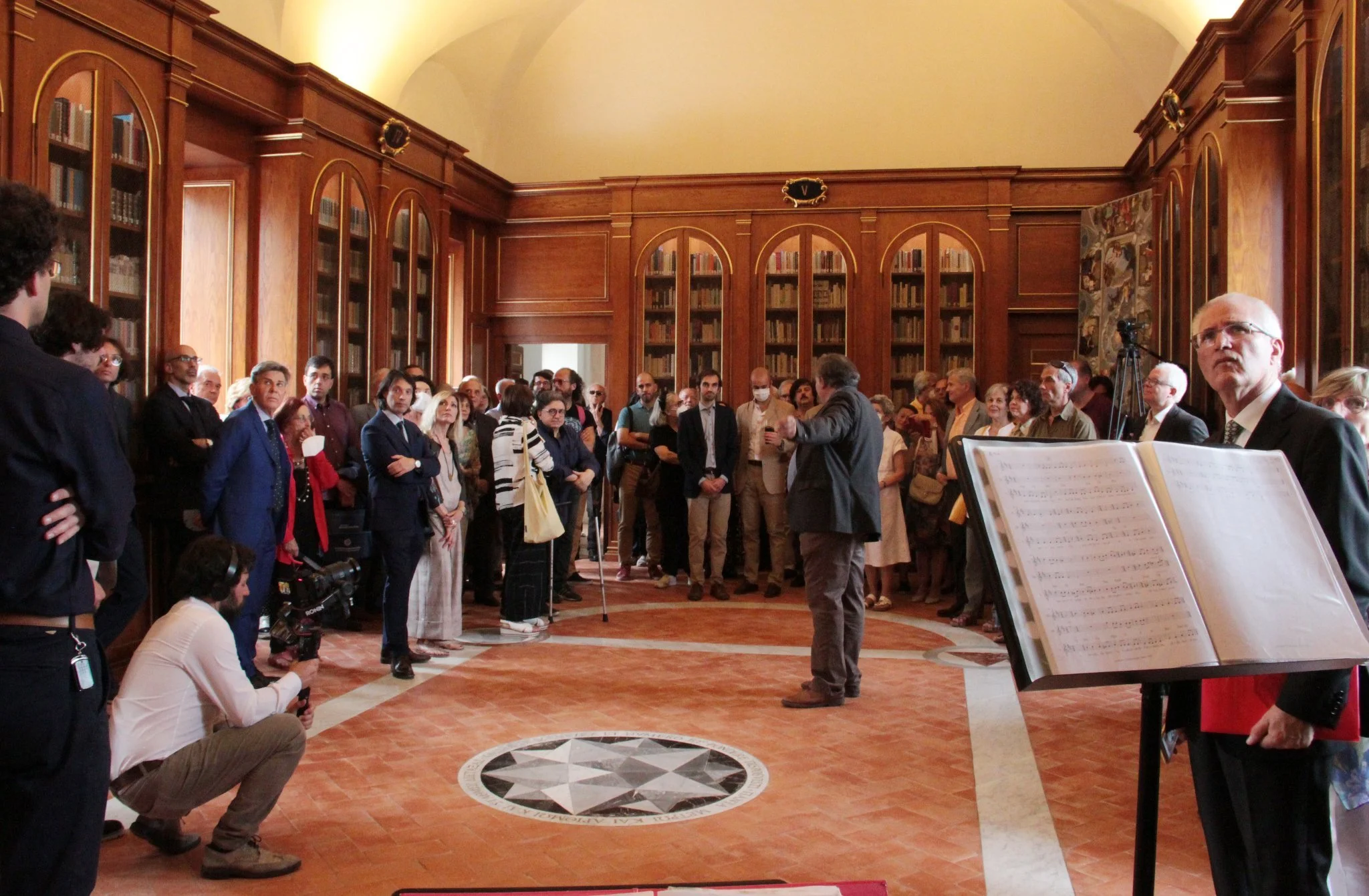
The inauguration of the library, during which Luigi Miraglia, director of the Accademia Vivarium Novum, formally presented the library donation to Mrs. Grazia Marchianò and the assembled guests, highlighting its cultural significance, intellectual vision, and role within the academy.
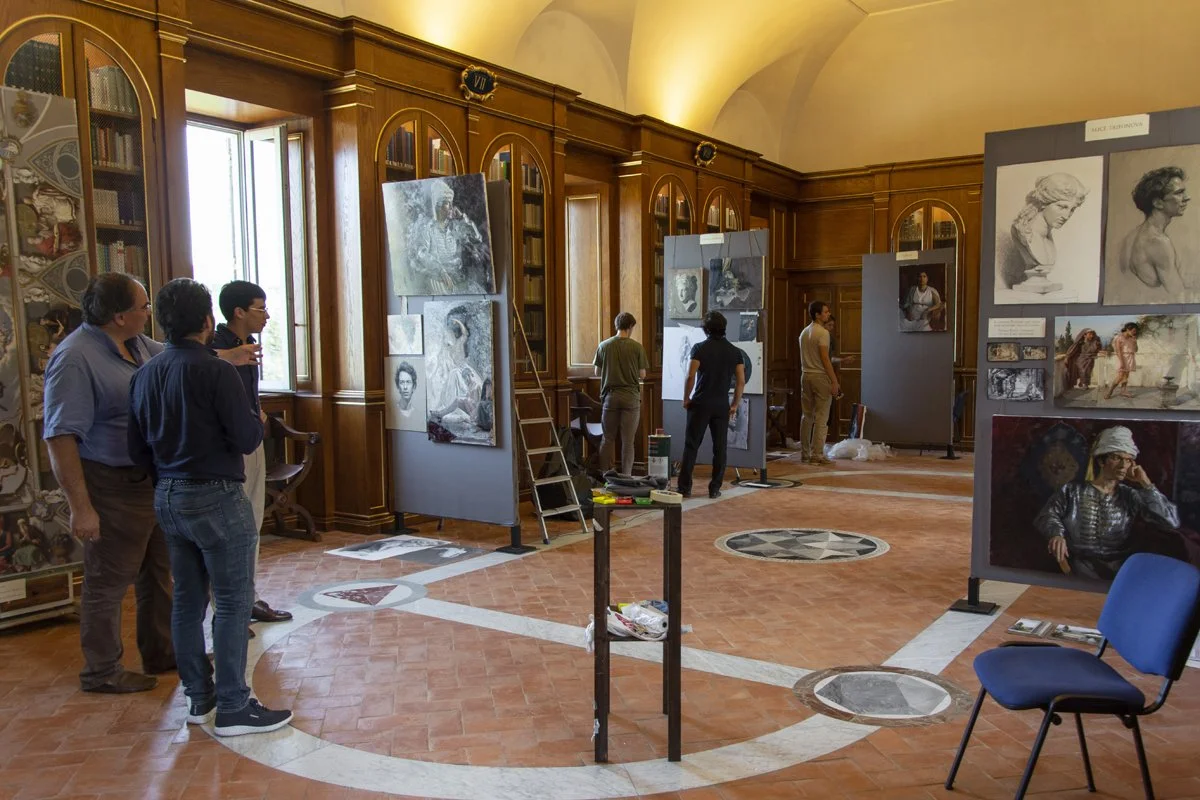
The hall in use during the Poikile Art Course exhibition.
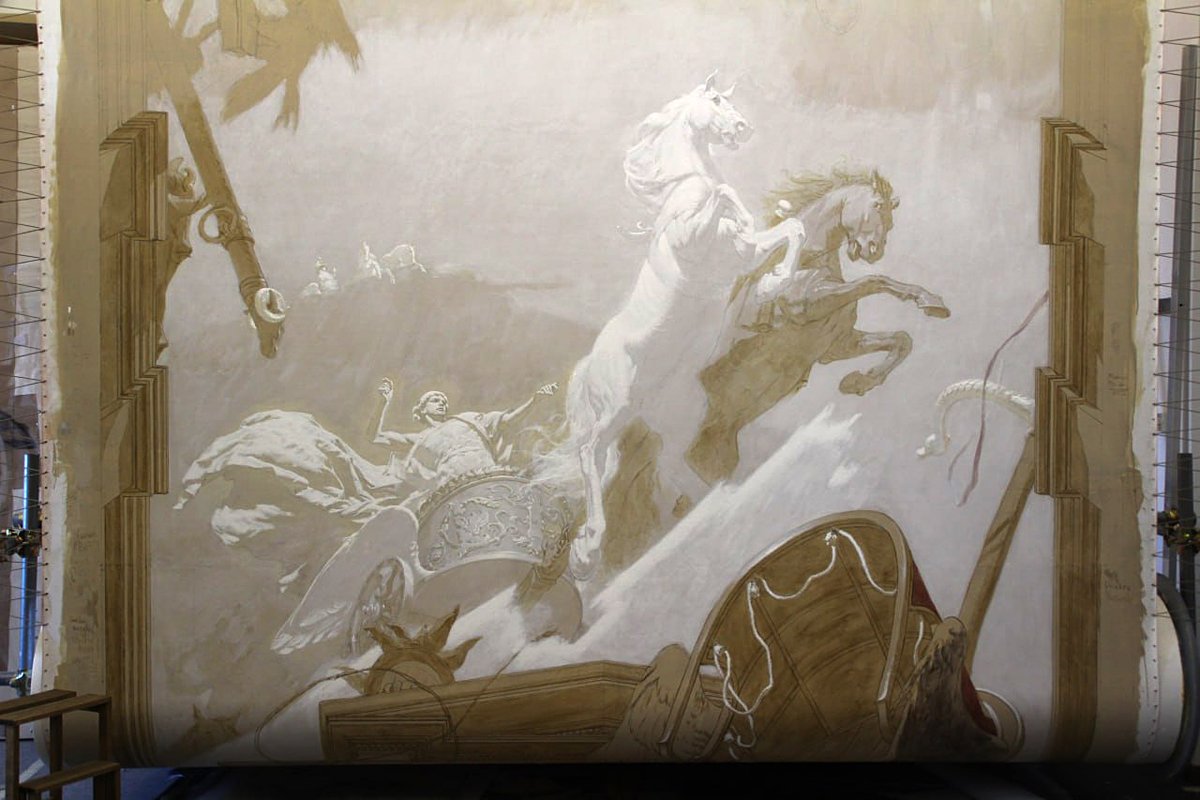
Leonid Ilyukhin is currently engaged in the most important and technically complex phase of the hall’s realization: the painted ceiling, a work that has required numerous design iterations and the careful resolution of significant technical challenges. Once completed, it will bring the hall its final unifying vision, tying together the architectural and decorative elements into a coherent and harmonious whole.
Here is shown the first completed and refined sketch for the ceiling, which was subsequently further developed, adjusted, and improved during the course of the design process.
A progress image from September 2025, showing the final painting in execution on a 11,25×3,35m canvas, later to be installed as part of the ceiling composition.
To stay updated on the progress of this unique project, you are welcome to follow Leonid Ilyukhin or the Accademia Vivarium Novum Instagram pages. Villa Falconieri and Europa Hall can also be visited in person, offering the opportunity to experience the space firsthand, further information is available here.